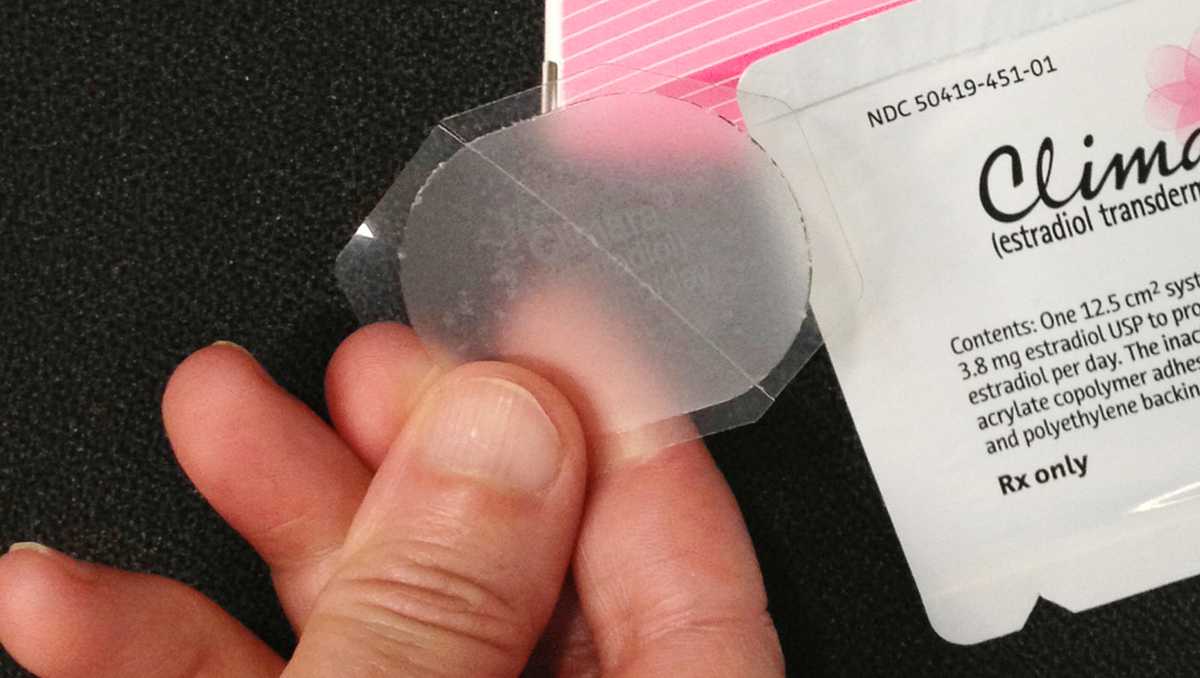
The American College of Obstetricians & Gynecologists has released new guidance on managing menopause symptoms, its first update in twelve years, according to Gulf Coast News and Weather. The advice, published this month, covers hot flashes, night sweats and sleep problems, and places hormone therapy at the center of treatment for many women. The report comes as federal officials said Friday that the Food and Drug Administration is working to keep supplies of these products adequate.
ACOG president Dr. Camille Clare told reporters that patients should raise menopause questions with their OB-GYNs and push for the care they need. "We would love our patients to go to their OB-GYNs regarding questions about menopause and really advocate for getting the treatment that they need," she said, per Gulf Coast News and Weather.
Why it matters
Menopause arrives when a woman has gone a full year without a period, typically around age 50 in the United States. In the years before that point — perimenopause — the body's output of estrogen and progesterone falls sharply, and symptoms often follow. ACOG reports that more than half of menopausal women experience hot flashes and night sweats, up to two-thirds have sleep disruption tied to menopause, and over a third of perimenopausal and postmenopausal women worldwide report depressive symptoms.
For more than two decades, a government boxed warning on all hormone-based menopause treatments discouraged both patients and physicians from using them, according to the reporting. The FDA announced last year that it would strip that warning from more than 20 pills, patches and creams containing estrogen and progestin, and on Friday it approved updated labeling for three more estrogen-based patches. Interest in and demand for the treatments have picked up since the labeling change.
Dr. JoAnn Manson, a professor of medicine at Harvard Medical School, said a growing consensus holds that these symptoms deserve treatment. She told Gulf Coast News and Weather that the new guidance should help women feel empowered to discuss their symptoms with a healthcare provider, and she noted that ACOG's recommendations align closely with those from other medical organizations.
Hormone therapy as first-line treatment
Moderate to severe or otherwise bothersome menopausal symptoms should be treated with hormone therapy first, according to Manson. She said the approach does not suit every woman but is a sound choice for many.
ACOG's guidance distinguishes between types of treatment. Whole-body therapies — delivered as pills, patches, sprays, gels or a vaginal ring — raise hormone levels in the bloodstream enough to meaningfully ease hot flashes. Low-dose vaginal estrogen, applied directly, puts very little hormone into circulation and is often prescribed when vaginal dryness is the main complaint.
The group advises that doctors and patients decide together, weighing benefits and risks against a patient's age and medical history. Where hormone therapy is appropriate, ACOG recommends starting before age 60 or within a decade of menopause.
Dr. Stephanie Faubion, medical director at The Menopause Society, welcomed the emphasis. "It's undisputed that hormone therapy is the first line and most effective therapy for hot flashes," she said, according to Gulf Coast News and Weather.
The history behind the caution dates to 2002, when a landmark trial of a pill combining estrogen and progestin was halted early over links to breast cancer, blood clots and other serious conditions. Later research found that for many women the benefits of current hormone therapies outweigh the risks, but the warning label stayed in place for more than 22 years.
Nonhormonal routes and supply questions
For patients who decline whole-body hormones or are advised against them because of their medical history, ACOG points to other medicines. Fezolinetant acts on the brain region that regulates body temperature, blocking a driver of hot flashes and night sweats, and elinzanetant works in a similar way. Certain antidepressants can also help with hot flashes and depression, whether a patient has one or both.
ACOG also cites evidence for non-drug approaches, including cognitive behavioral therapy, mindfulness, exercise, clinical hypnosis and acupuncture. These can be used on their own or alongside medication.
On supply, some women have reported trouble finding estrogen patches in particular doses and formulations since the labeling change. FDA officials said Friday they are not aware of an imminent risk of a nationwide shortage, and they noted that manufacturers have doubled output over the past year by adding shifts and production capacity.
Clare warned that misinformation about menopause treatments circulates online and encouraged patients to bring their questions to their doctors. ACOG publishes material on menopause and on distinguishing evidence from false claims. Faubion put the message plainly: women have many options, hormonal and nonhormonal, and should not be told that nothing can ease their symptoms.
Watch whether patch availability holds steady in coming months, and whether other specialty groups follow ACOG in revising their own menopause guidance.